To provide high-quality diesel engine accessories for global customers.

Understanding Quality Air-Cooled Diesel Engines: Key Insights for Industrial Applications
Oct 15,2026
---
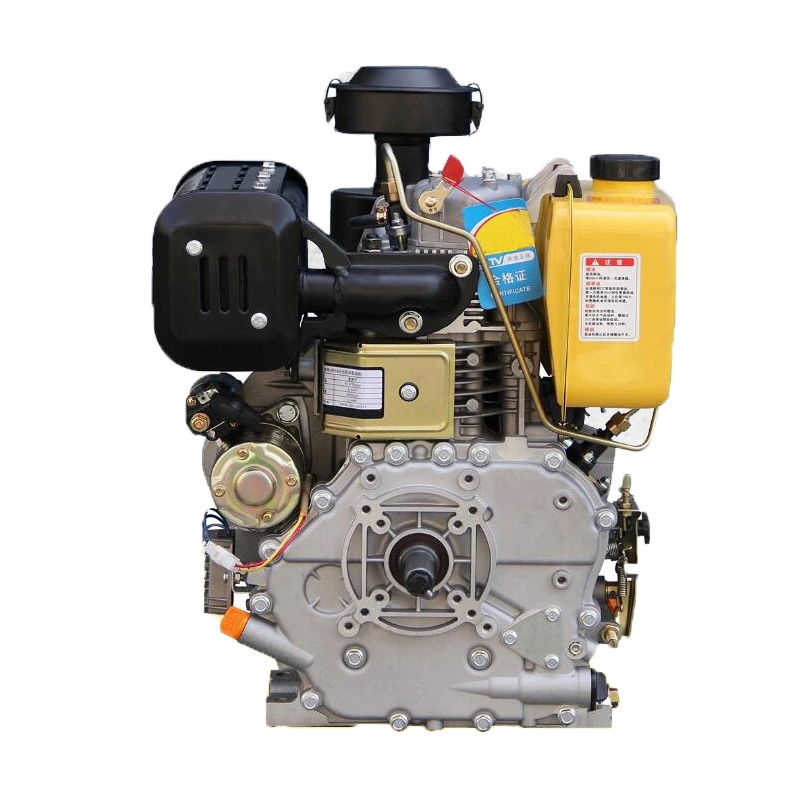
In the realm of industrial equipment and components, the term "quality air-cooled diesel engine" signifies a critical technology known for its durability, efficiency, and versatility. These engines are designed to provide reliable power for a variety of applications, making them indispensable in many industrial settings.
Air-cooled diesel engines function by utilizing ambient air to dissipate heat generated during the combustion process. This cooling method offers several advantages over liquid-cooled engines, particularly in demanding environments. One of the primary benefits is reduced complexity; air-cooled engines often have fewer components, which translates to lower maintenance requirements and increased reliability. In industries where equipment downtime can be costly, this reliability is paramount.
Moreover, quality air-cooled diesel engines are typically lighter and more compact than their liquid-cooled counterparts. This characteristic is especially advantageous in applications where space is limited or where weight savings can enhance overall machine performance. For example, in construction or agricultural machinery, every kilogram counts, and a lighter engine can improve maneuverability and fuel efficiency.
Another significant advantage of air-cooled engines is their ability to operate efficiently in a wide range of temperatures. They are particularly well-suited for outdoor applications and can perform reliably in extreme weather conditions. This adaptability makes them ideal for applications such as portable generators, farming equipment, and construction machinery that operate in diverse environmental conditions.
When considering the implementation of quality air-cooled diesel engines in industrial settings, it’s crucial to assess their maintenance requirements. While these engines are designed for durability, regular maintenance can significantly extend their lifespan and enhance performance. Key maintenance practices include regular inspections for wear and tear, ensuring proper air intake, and routine cleaning of cooling fins to prevent overheating.
In conclusion, quality air-cooled diesel engines are a robust choice for various industrial applications, offering numerous advantages including reliability, efficiency, and ease of maintenance. Understanding their benefits and maintenance needs can empower industry professionals to make informed decisions, ultimately leading to enhanced operational efficiency and reduced costs. As the industrial landscape continues to evolve, embracing the benefits of these engines could be a strategic move for companies looking to optimize their equipment and performance.
Contact Us
E-mail :
admin@tengkaengine.com
Phone/WhatsApp:
+86-13731259509
Address:
Room 301, Block B, Xiuyu Commercial Building, Fubao, 77 Fuxing West Road, Baoding City, Hebei Province, China

Feedback



Request Quote