To provide high-quality diesel engine accessories for global customers.

From Factory to Field: The Comprehensive Journey of a 20hp Diesel Engine
Sep 30,2026
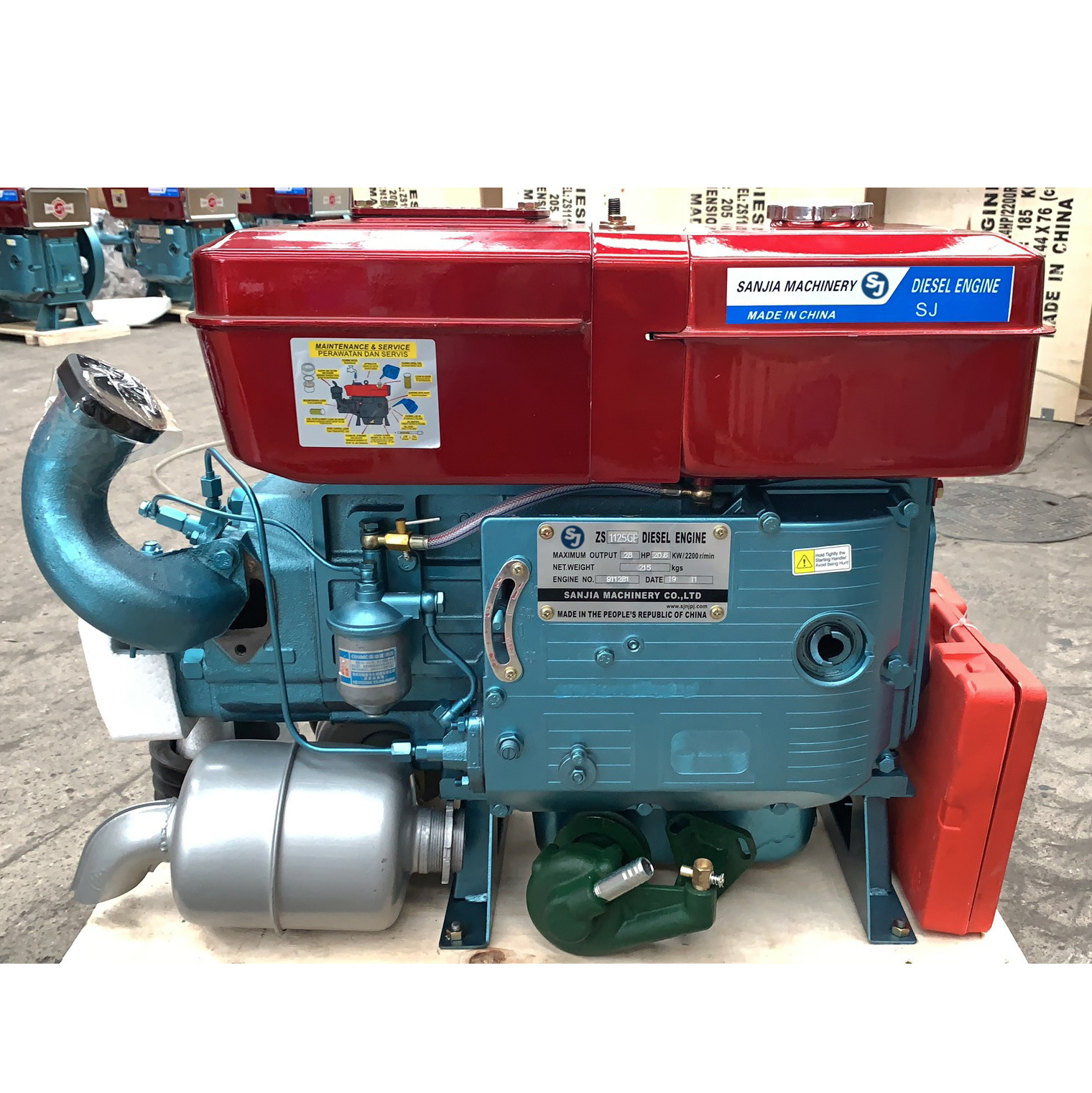
From Factory to Field: The Comprehensive Journey of a 20hp Diesel Engine
Table of Contents
- 1. Introduction to Diesel Engines
- 2. Understanding Diesel Engines: A Technical Overview
- 3. The Manufacturing Process of a 20hp Diesel Engine
- 4. Testing and Certification: Ensuring Excellence
- 5. Transportation and Logistics: Getting the Engine to the Field
- 6. Applications of 20hp Diesel Engines in Various Industries
- 7. Maintenance Practices for Optimal Performance
- 8. The Future of Diesel Engines and Emerging Technologies
- 9. Conclusion
- 10. Frequently Asked Questions
1. Introduction to Diesel Engines
The diesel engine has revolutionized the way industries operate by providing efficient and powerful solutions for various applications. With its introduction, many sectors, including agriculture, construction, and transportation, have seen significant improvements in productivity and output. A 20hp diesel engine, specifically, serves a unique niche within this domain, offering an ideal balance of power and efficiency for smaller machinery and equipment.
2. Understanding Diesel Engines: A Technical Overview
Diesel engines operate on the principle of compression ignition. Unlike gasoline engines that use spark plugs, diesel engines compress air to a high temperature and then inject fuel, igniting it spontaneously. This process results in a more efficient burning of fuel and provides the torque necessary for heavy-duty applications. Key components include:
- **Cylinders**: Where the combustion occurs.
- **Pistons**: They move up and down to convert combustion energy into mechanical work.
- **Crankshaft**: Converts linear motion into rotational motion.
- **Fuel Injection System**: Delivers fuel into the combustion chamber at the right moment.
These components work harmoniously to produce reliable power, making diesel engines a popular choice for various industries.
3. The Manufacturing Process of a 20hp Diesel Engine
Understanding the journey of a 20hp diesel engine begins at the manufacturing facility. This complex process can be broken down into several distinct stages:
3.1 Design and Engineering
The design phase involves extensive research to ensure that the engine meets specific performance requirements and industry standards. Engineers utilize advanced software to simulate engine performance under various conditions, optimizing the design for efficiency, durability, and ease of maintenance.
3.2 Component Manufacturing
After finalizing the design, manufacturers begin producing the necessary components. This includes casting engine blocks, machining cylinder heads, and producing crankshafts and pistons. Each component undergoes stringent quality checks to ensure they meet high standards.
3.3 Assembly and Quality Control
Once all components are manufactured, they move to the assembly line. Skilled technicians assemble the engine, ensuring precise fitting and alignment of parts. After assembly, the engine undergoes rigorous quality control tests, including performance testing and emissions checks, to ensure compliance with industry regulations.
4. Testing and Certification: Ensuring Excellence
Before a 20hp diesel engine can be deemed ready for sale, it must pass a series of tests that evaluate its performance under various conditions. This includes:
- **Load Testing**: Assessing engine performance under full load conditions.
- **Durability Testing**: Running the engine continuously for extended periods to evaluate long-term reliability.
- **Emissions Testing**: Ensuring the engine meets environmental regulations and standards set by governing bodies.
Only after successfully passing these tests will the engine receive certification, allowing it to be sold and utilized in the field.
5. Transportation and Logistics: Getting the Engine to the Field
Once tested and certified, the engines are prepared for transportation. Manufacturers employ various logistics strategies to ensure timely delivery to distributors and end-users. This may involve:
- **Packaging**: Engines are securely packaged to prevent damage during transit.
- **Shipping**: Utilizing road, rail, or maritime transport, depending on the destination and urgency.
- **Distribution**: Coordinating with local dealers and distributors to ensure engines reach their final destination efficiently.
Proper logistics management is crucial in maintaining the engine's integrity and ensuring that it arrives ready for installation and use.
6. Applications of 20hp Diesel Engines in Various Industries
The versatility of a 20hp diesel engine allows it to be utilized in a wide range of applications across different sectors, including:
- **Agriculture**: Powering tractors, harvesters, and irrigation systems, these engines help improve efficiency and productivity in farming operations.
- **Construction**: Used in small excavators, compactors, and generators, they provide the necessary power for construction equipment.
- **Transportation**: Found in light-duty trucks and commercial vehicles, they enhance fuel efficiency and lower operational costs.
- **Marine Applications**: Employed in small boats and commercial vessels, these engines are reliable for navigation and transport.
The adaptability of these engines to various tasks significantly contributes to their popularity in many industries.
7. Maintenance Practices for Optimal Performance
To ensure the longevity and efficiency of a 20hp diesel engine, regular maintenance is crucial. Key practices include:
- **Routine Oil Changes**: Keeping the engine oil clean and at optimal levels ensures smooth operation.
- **Air Filter Maintenance**: Regularly checking and replacing air filters prevents dirt and debris from entering the engine.
- **Fuel System Inspection**: Ensuring that the fuel system is clean and functioning properly can prevent performance issues.
- **Cooling System Checks**: Monitoring coolant levels and ensuring the radiator is functioning correctly prevents overheating.
Implementing these maintenance practices helps in achieving optimal performance and extends the life of the engine.
8. The Future of Diesel Engines and Emerging Technologies
As environmental concerns rise, the diesel engine industry is evolving rapidly. Innovations such as cleaner combustion technologies, hybrid systems, and biofuels are being developed to reduce emissions and improve efficiency. Manufacturers are investing in research to enhance the performance of diesel engines while adhering to stricter regulations.
Emerging technologies also focus on monitoring engine health through IoT devices, providing real-time data to optimize performance and facilitate predictive maintenance. As the industry adapts, the 20hp diesel engine remains a reliable workhorse in various applications.
9. Conclusion
The journey of a 20hp diesel engine from factory to field is a testament to the intricate manufacturing processes and engineering excellence involved in its creation. Understanding these processes provides insight into the reliability and effectiveness of diesel engines in various industries. With ongoing advancements and a strong focus on sustainability, the future of diesel engines remains promising, continuing to power machinery and equipment across the globe.
10. Frequently Asked Questions
What is a 20hp diesel engine used for?
A 20hp diesel engine is commonly used in agricultural machinery, construction equipment, small trucks, and marine applications. Its power and efficiency make it suitable for various tasks.
How often should I perform maintenance on my diesel engine?
Regular maintenance should be performed based on the manufacturer's recommendations, typically every 100-200 hours of operation, including oil changes, filter replacements, and overall inspections.
What are the advantages of using a diesel engine over a gasoline engine?
Diesel engines generally offer better fuel efficiency, more torque, and lower CO2 emissions compared to gasoline engines, making them ideal for heavy-duty applications.
Are diesel engines more durable than gasoline engines?
Yes, diesel engines are designed for higher compression ratios and can withstand more stress, generally resulting in longer lifespan than gasoline engines.
Can a 20hp diesel engine be converted to use alternative fuels?
Yes, with appropriate modifications, many diesel engines can be converted to run on alternative fuels, such as biodiesel, which can help reduce environmental impact.
This comprehensive exploration of a 20hp diesel engine highlights its significance and multifaceted applications, providing valuable insights for industries relying on this vital machinery.
Contact Us
E-mail :
admin@tengkaengine.com
Phone/WhatsApp:
+86-13731259509
Address:
Room 301, Block B, Xiuyu Commercial Building, Fubao, 77 Fuxing West Road, Baoding City, Hebei Province, China

Feedback



Request Quote