To provide high-quality diesel engine accessories for global customers.

The Role of Quality Air Cooled Diesel Engines in Reducing Emissions
Sep 10,2026
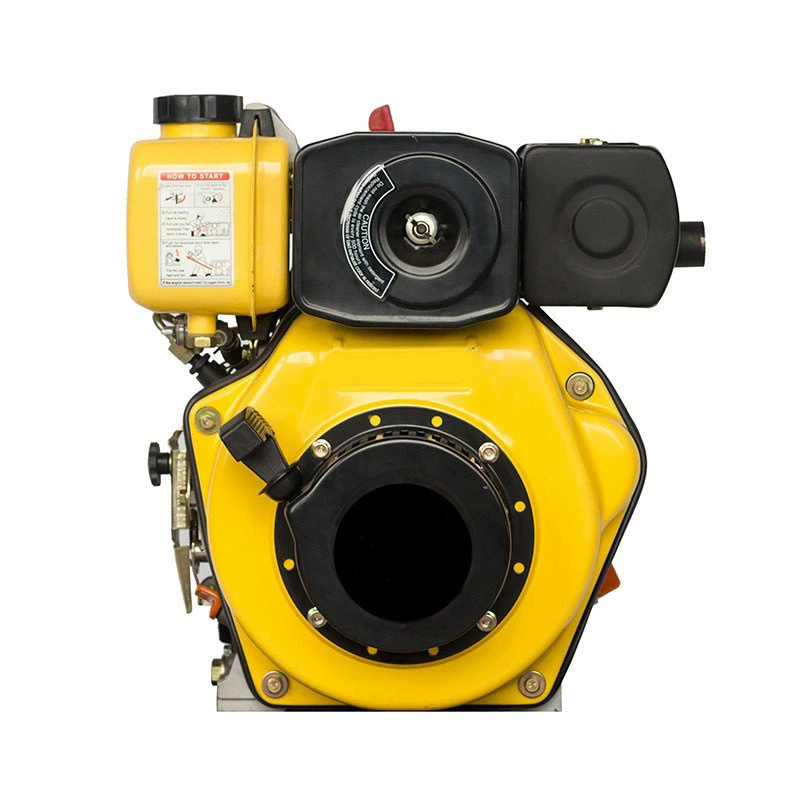
The Role of Quality Air Cooled Diesel Engines in Reducing Emissions
Introduction to Air Cooled Diesel Engines
Air cooled diesel engines have become a focal point in discussions surrounding sustainability in industrial machinery. With increasing regulatory pressure to reduce emissions, the engineering community has responded with innovations designed to make these engines more efficient and environmentally friendly. The growing concern over air pollution and its effects on climate change mandates the need for quality diesel engines that minimize harmful emissions while delivering optimal performance. In this article, we will delve into the specific role that air cooled diesel engines play in reducing emissions, highlighting technological advancements, benefits, and future perspectives.
Understanding Diesel Engine Emissions
Types of Emissions from Diesel Engines
Diesel engines are known to emit several types of pollutants, mainly:
1. **Nitrogen Oxides (NOx)** - These compounds contribute to smog and acid rain.
2. **Particulate Matter (PM)** - Tiny particles that can penetrate the lungs and enter the bloodstream, causing serious health problems.
3. **Carbon Dioxide (CO2)** - A greenhouse gas that contributes to climate change.
4. **Unburned Hydrocarbons (HC)** - These compounds can lead to the formation of ozone at ground level.
Understanding the types of emissions is pivotal for developing strategies aimed at reducing them.
Impact of Emissions on Health and Environment
The emissions produced by diesel engines can have detrimental effects on public health and the environment. Short-term exposure can lead to respiratory problems, while long-term exposure is linked to cardiovascular diseases and cancer. On a larger scale, emissions contribute to global warming and environmental degradation, underscoring the urgency for cleaner technologies in the diesel engine sector.
Advantages of Air Cooled Diesel Engines
Efficient Cooling Mechanisms
Air cooled diesel engines utilize air as a cooling medium, which provides several advantages over traditional liquid cooled engines:
- **Simplicity**: Fewer components mean lower maintenance costs.
- **Weight Reduction**: Eliminating water pumps and radiators makes these engines lighter—ideal for mobile applications.
- **Operational Versatility**: They can operate effectively in various environments, from deserts to snowy regions, without the risk of coolant freezing or boiling over.
These features enable air cooled diesel engines to operate more efficiently, contributing to reduced emissions.
Improved Fuel Efficiency
Quality air cooled diesel engines are designed with advanced technology that optimizes fuel combustion. Enhanced fuel efficiency directly correlates with reduced emissions. By ensuring more complete combustion, these engines emit fewer harmful pollutants, making them a greener alternative.
Durability and Longevity
Air cooled diesel engines are often more robust and durable due to their simpler design. This durability leads to fewer breakdowns and a prolonged lifespan, ultimately resulting in lower emissions over the engine's lifetime. Regular maintenance and quality construction materials further enhance this longevity.
Technological Innovations in Air Cooled Diesel Engines
Advanced Combustion Techniques
Recent advancements in combustion technology, such as **multiple injection strategies** and improved injector designs, allow for better fuel atomization. This leads to more efficient combustion and a significant reduction in harmful emissions.
Use of Alternative Fuels
Quality air cooled diesel engines are increasingly compatible with biofuels and other alternative fuels. These fuels typically produce lower emissions compared to traditional diesel, further enhancing the sustainability of the operation.
Emission Control Technologies
Incorporating technologies such as **Exhaust Gas Recirculation (EGR)** and **Selective Catalytic Reduction (SCR)** helps to significantly reduce NOx and PM emissions. These systems work in conjunction with air cooled diesel engines, creating a comprehensive approach to emissions reduction.
Challenges and Solutions in Implementing Air Cooled Diesel Engines
Initial Costs vs. Long-term Benefits
While the initial investment in quality air cooled diesel engines may be higher than traditional models, the long-term benefits in terms of fuel savings and reduced maintenance costs can offset these initial expenses.
Public Perception and Industry Adoption
The transition to air cooled engines requires a shift in public perception and industry standards. Raising awareness of the benefits of these engines can facilitate acceptance and promote wider adoption.
Future Outlook for Air Cooled Diesel Engines
Regulatory Trends and Industry Adaptation
As regulatory bodies continue to impose stricter emissions standards globally, the industry will likely see an accelerated shift towards more advanced air cooled diesel engines. Manufacturers are expected to invest in research and development to stay ahead of the regulatory curve.
Integration with Smart Technologies
The future also holds the potential for integrating air cooled diesel engines with smart technologies, such as IoT sensors and machine learning analytics. These technologies can optimize engine performance in real time, leading to even greater efficiency and lower emissions.
Conclusion
Quality air cooled diesel engines are at the forefront of efforts to reduce emissions within the industrial sector. Through advanced technology, enhanced efficiency, and innovative design, these engines offer a viable solution to the complex challenges posed by traditional diesel engines. As regulatory demands become more stringent and public concerns about air quality grow, the transition to cleaner, more efficient air cooled diesel engines is not just desirable—it is essential. Embracing these innovations will not only lead to better performance but also a healthier planet for future generations.
FAQs
1. What are the primary benefits of air cooled diesel engines?
Quality air cooled diesel engines offer benefits such as reduced weight, improved fuel efficiency, and lower maintenance requirements compared to traditional liquid cooled engines.
2. How do air cooled diesel engines reduce emissions?
These engines improve fuel combustion efficiency and can incorporate advanced emission control technologies, which significantly reduce harmful pollutants.
3. Are air cooled diesel engines more environmentally friendly than traditional diesel engines?
Yes, air cooled diesel engines generally produce fewer emissions and can operate on alternative fuels, contributing to a lower environmental impact.
4. What role do technological advancements play in emissions reduction for air cooled diesel engines?
Innovations such as advanced combustion techniques and emission control systems enhance the efficiency of air cooled diesel engines, leading to reduced emissions.
5. What are the future prospects for air cooled diesel engines in industrial applications?
With increasing regulatory pressures and advancements in technology, air cooled diesel engines are likely to see broader adoption and further innovations aimed at emissions reduction and efficiency improvements.
PREVIOUS:
Contact Us
E-mail :
admin@tengkaengine.com
Phone/WhatsApp:
+86-13731259509
Address:
Room 301, Block B, Xiuyu Commercial Building, Fubao, 77 Fuxing West Road, Baoding City, Hebei Province, China

Feedback



Request Quote